
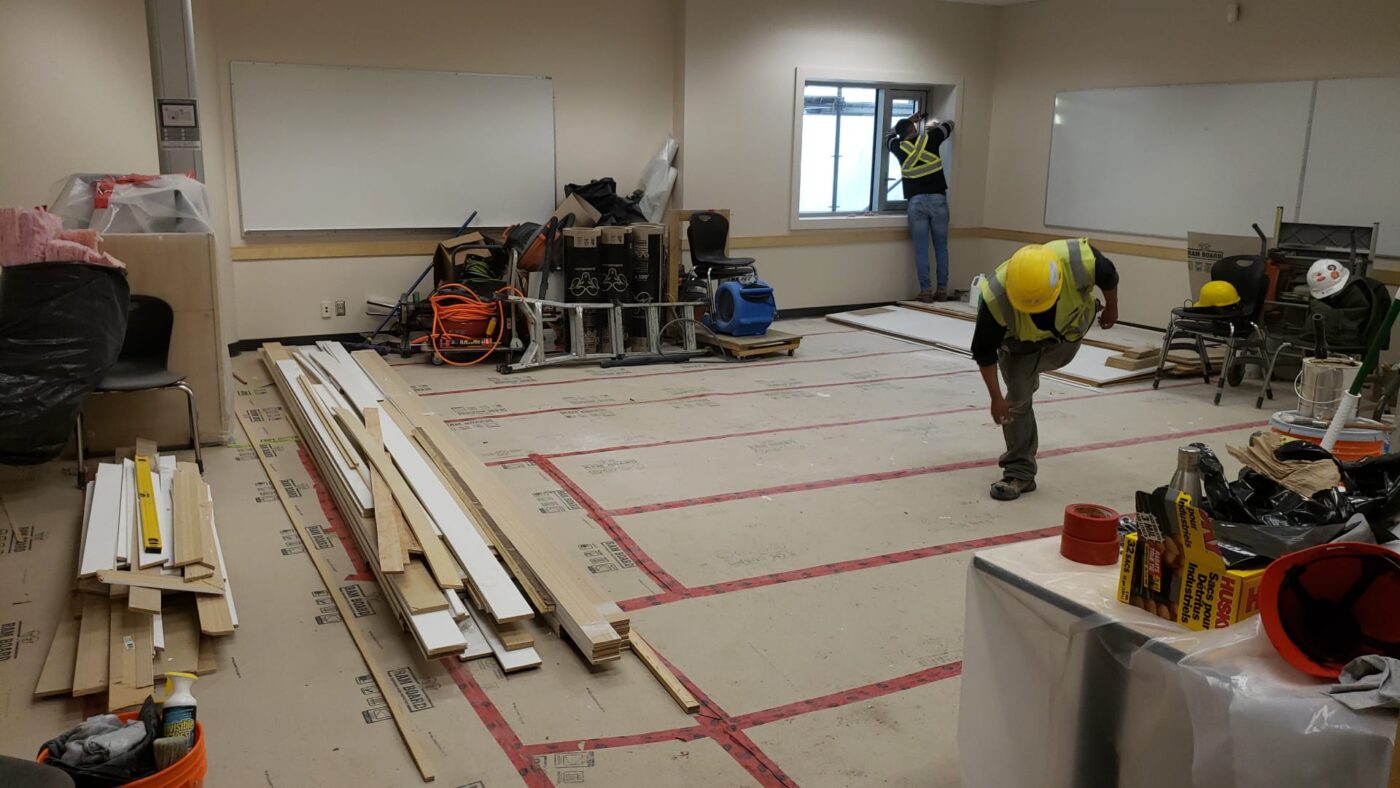
Essential Guide: How to Prep Commercial Spaces for a Flawless Paint Job
A flawless commercial paint job doesn’t start with a brush—it starts with proper preparation. Whether it’s an office, retail store, or industrial facility, taking the time to prep commercial spaces is key to achieving long-lasting, professional results. Thorough prep work not only ensures better paint adhesion and finish, but it also minimizes future touch-ups, reduces downtime, and protects surfaces from damage. In this blog, we’ll walk you through the essential steps needed to prep commercial spaces for a seamless and efficient painting process.
Evaluate the Condition of the Space
Before you can begin painting, it’s essential to evaluate the current state of the building. Carefully inspect all walls, ceilings, and trim for any signs of damage, staining, or previous paint failure. Addressing issues like cracks, holes, or peeling surfaces early on will ensure smoother results and a longer-lasting finish.
Problem areas may require patching, sanding, or full replacement depending on their severity. In older buildings, it’s also wise to test for lead paint or other hazardous materials before beginning work. This initial assessment is a vital step as you prep commercial spaces for a clean and efficient painting process.
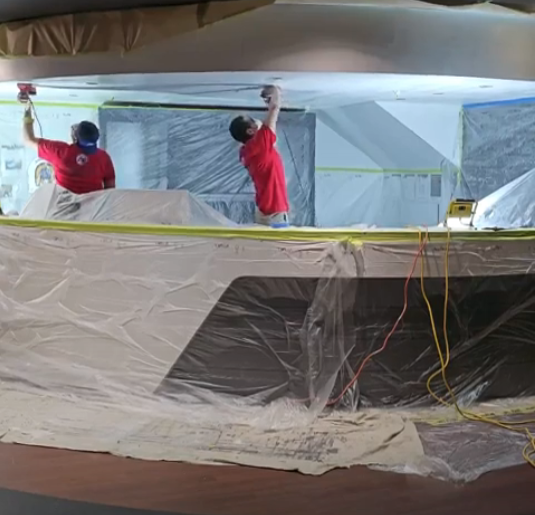
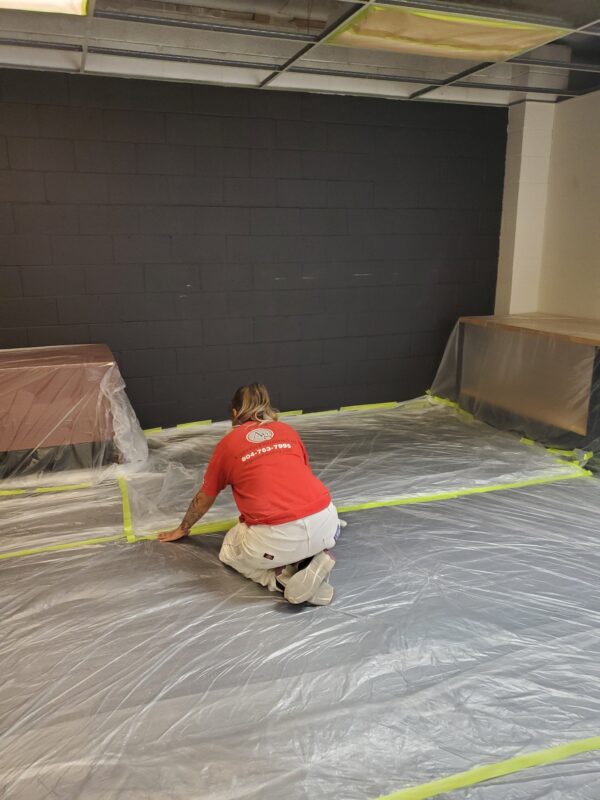
Clear and Protect the Area
Once you’ve assessed the space, the next step is to clear and protect it. Remove or carefully cover furniture, equipment, and electronics to avoid accidental paint splatter or dust exposure. Use drop cloths, plastic sheeting, and painter’s tape to safeguard flooring, fixtures, and any surfaces that won’t be painted.
It’s also important to secure fragile items and make sure work areas are easily accessible for painters. Taking the time to clear and protect the area helps streamline the workflow and is a key part of how professionals prep commercial spaces for a flawless finish.
Repair and Patch Damaged Surfaces
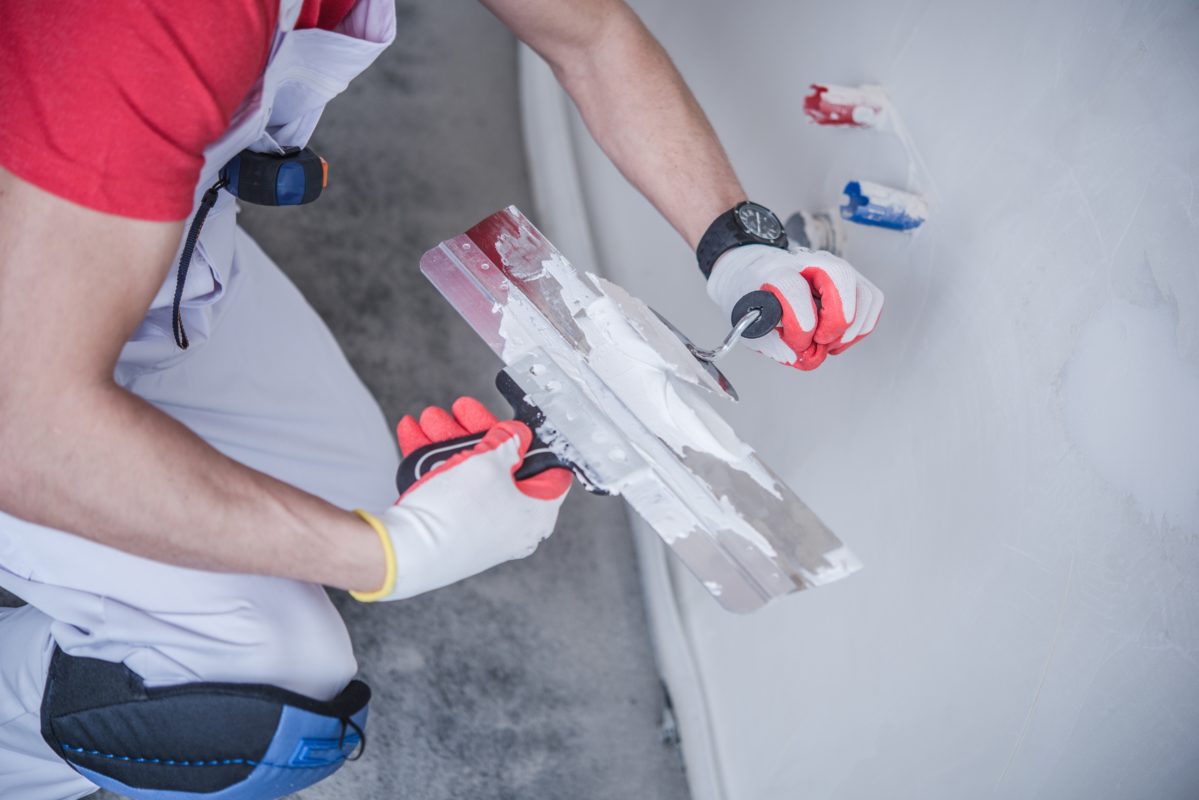
To properly prep commercial spaces for painting, addressing surface damage is a must. Begin by filling holes, cracks, and dents in drywall or plaster. Uneven areas can lead to poor paint adhesion and visible imperfections in the final finish.
After patching, sand down all rough spots to create a smooth, even surface that allows the paint to bond effectively. In cases where damage is extensive, it’s best to replace the compromised sections entirely. Thorough repairs not only improve appearance but also ensure the durability and longevity of the paint job.
Clean All Surfaces Thoroughly
One of the most important steps to prep commercial spaces for painting is ensuring that all surfaces are completely clean. Dirt, dust, grease, and other residues can create a barrier that prevents paint from adhering properly, leading to early chipping, bubbling, or an uneven finish.
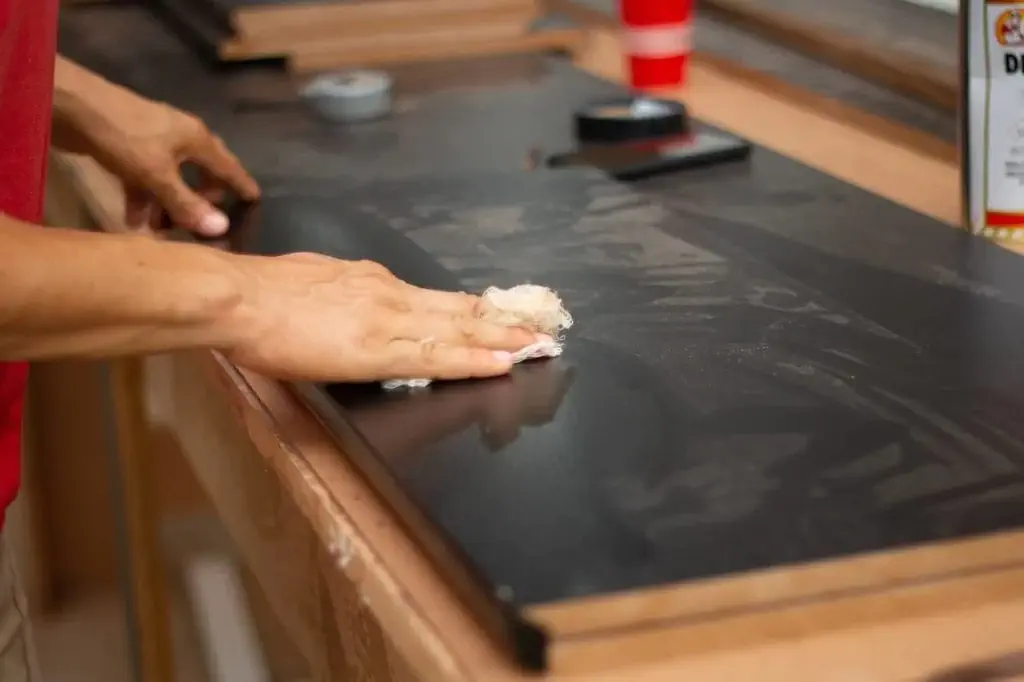
For areas like commercial kitchens, cafeterias, or manufacturing zones, it’s especially important to use strong degreasers or appropriate cleaning agents to eliminate oily buildup. In office or retail spaces, walls and trim should be wiped down with a damp cloth to remove dust and minor grime. Exterior surfaces may require power washing to get rid of accumulated dirt, mould, or mildew.
Skipping this step can lead to wasted time and resources, so thorough cleaning is essential when aiming to prep commercial spaces for a high-quality and durable paint job.
Prime Where Necessary
To properly prep commercial spaces for painting, applying primer where needed is a critical step that often determines the final result. Primer creates a uniform surface, allowing the topcoat to adhere evenly and look consistent across patched, stained, or high-gloss areas.
Use a stain-blocking primer on water-damaged or discoloured surfaces to prevent bleed-through, and an adhesion primer on glossy finishes or surfaces like metal and laminate to ensure strong bonding. In high-traffic commercial areas, priming can also enhance durability by helping paint withstand cleaning and abrasion.
While it may seem like an optional step, skipping primer can result in visible patchwork, uneven sheen, or early paint failure—making it a key part of any successful plan to prep commercial spaces for a flawless paint job.
Ensure Proper Ventilation and Lighting
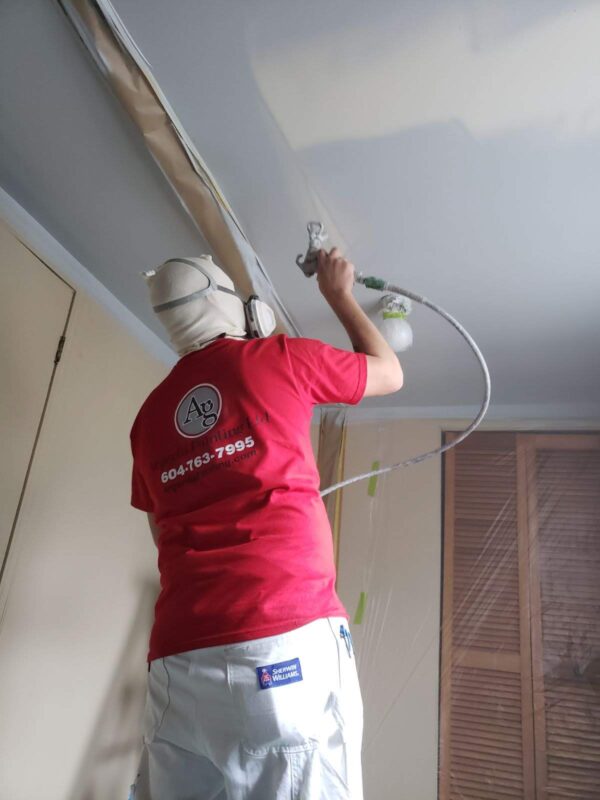
Proper airflow is essential when you prep commercial spaces for painting—both for safety and efficiency. Adequate ventilation helps paint dry evenly, prevents buildup of harmful fumes, and maintains air quality for workers and occupants. In confined or poorly ventilated areas, using fans, opening windows, or deploying temporary exhaust systems can make a big difference.
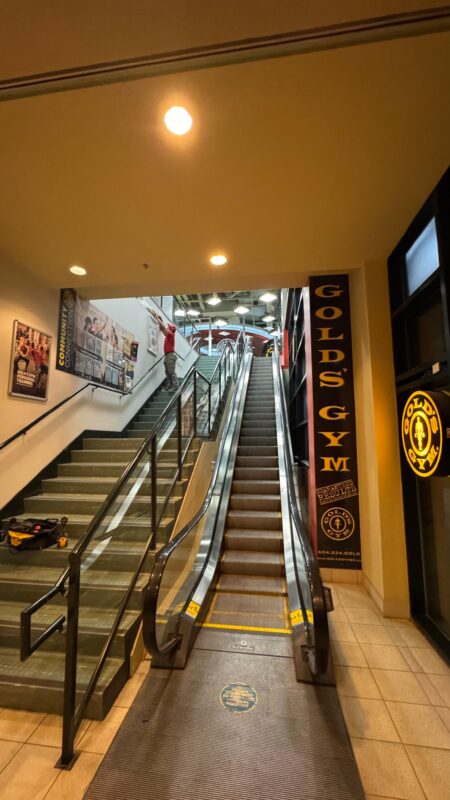
In addition to airflow, good lighting is critical to spotting imperfections such as uneven patches, drips, or missed areas. Temporary work lights or high-output LED lamps can help highlight surface flaws before final coats are applied.
According to the U.S. National Institute for Occupational Safety and Health (NIOSH), “good ventilation is one of the most effective ways to reduce hazardous exposure to volatile organic compounds (VOCs)” often found in paint products (NIOSH on ventilation).
By ensuring both proper ventilation and lighting, you not only create a safer work environment but also set the stage for a high-quality, professional finish.
Coordinate With Building Occupants
When you prep commercial spaces for painting, coordination with building occupants is key to a smooth project. Painting in active business environments can disrupt operations, so scheduling work during off-hours, weekends, or holiday closures can help minimize inconvenience.
Clear communication is essential. Let staff or tenants know about the painting timeline, which areas will be affected, and any access restrictions. This helps prevent surprises and allows people to plan accordingly.
Additionally, posting signage or using physical barriers to block off work zones keeps occupants safe and away from wet surfaces, ladders, or equipment. For multi-tenant buildings, staggered scheduling might be necessary to accommodate different business needs.
By working closely with building occupants, you ensure a safer and more efficient painting process with fewer delays and complaints.
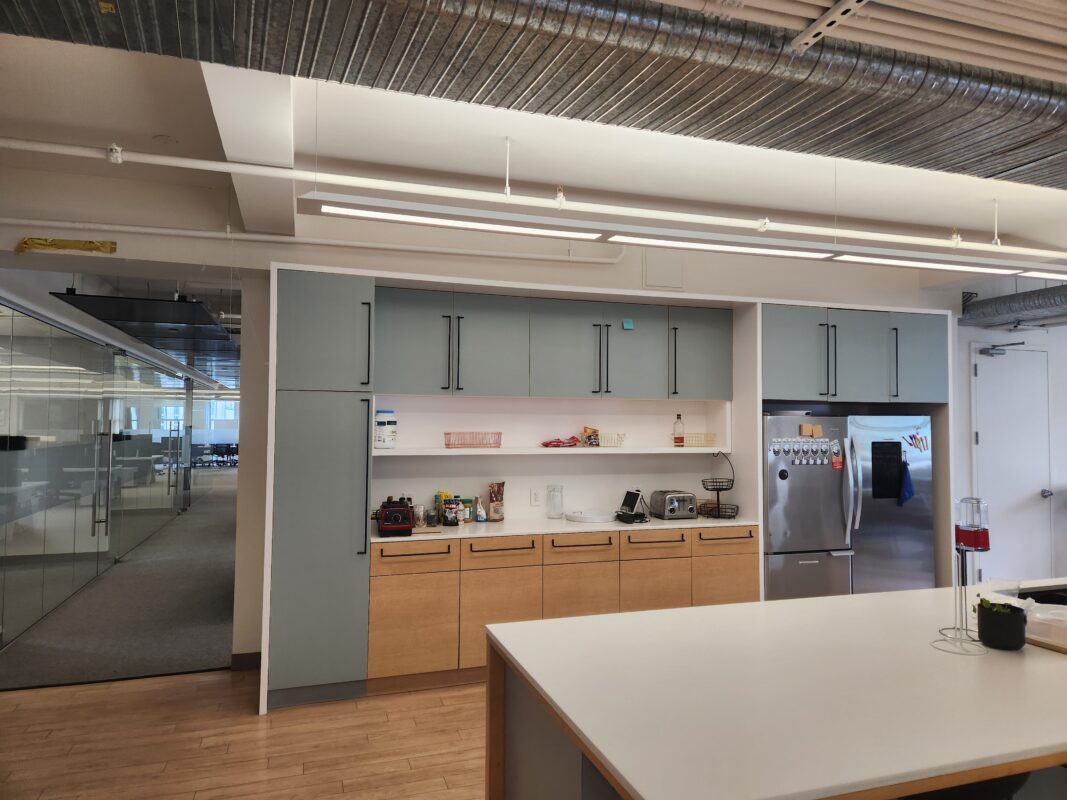
Proper preparation is the foundation of any successful commercial painting project. When you take the time to prep commercial spaces thoroughly—by repairing surfaces, clearing the area, cleaning properly, and coordinating with building occupants—you set the stage for professional results.
Each step plays a critical role in ensuring smooth paint application, fewer touch-ups, and a finish that lasts longer under the demands of commercial environments.
Call a Professional
Don’t leave it to chance—contact Argenta Restoration Ltd. for expert help in prepping and painting your commercial property. We’ll make sure every detail is covered for a flawless, long-lasting finish.