
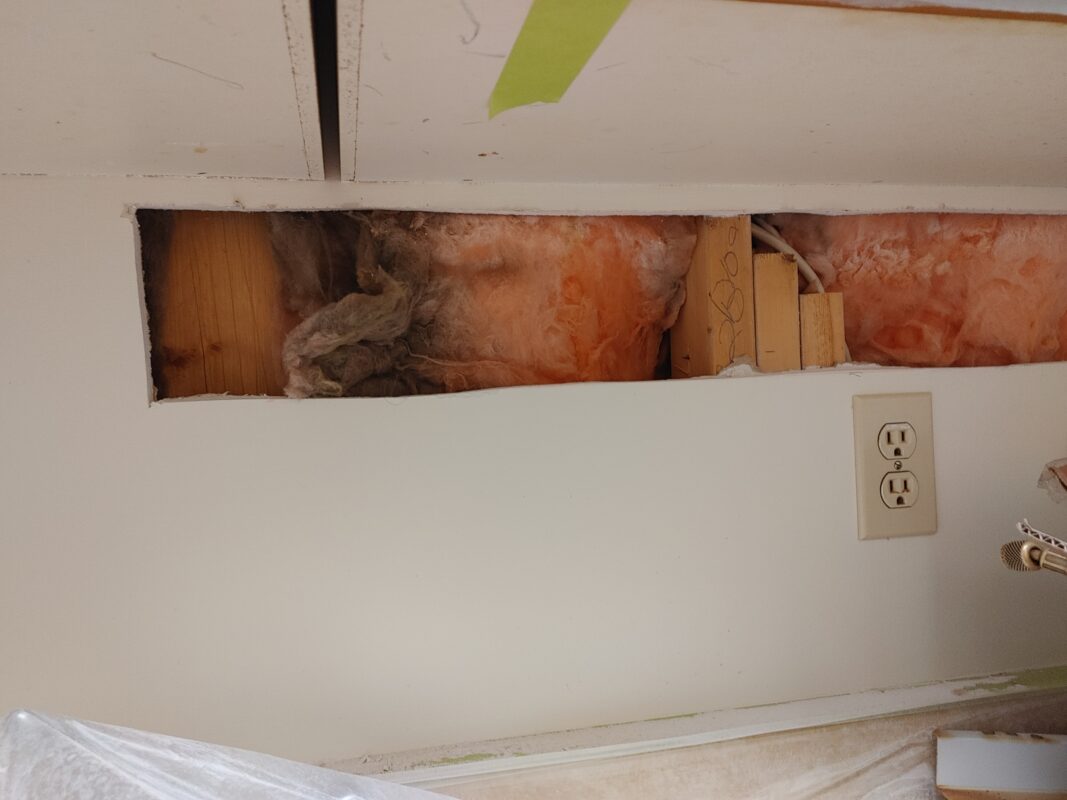
Transform Your Home This Fall with Powerful Drywall Insulation Solutions
As fall and winter settle in, keeping indoor spaces warm becomes a top priority—but cranking up the heat isn’t the only solution. Drafty walls, cold spots, and rising energy bills often point to one culprit: poor or outdated insulation behind your drywall. That’s where drywall insulation comes in. Whether you’re managing a home or a commercial space, ensuring your drywall is properly insulated can make a big difference in both comfort and cost. In this post, we’ll explore how insulation and drywall repairs work together to create a more energy-efficient environment—and why now is the perfect time to tackle these upgrades.
What Is Drywall Insulation?
Drywall insulation refers to the thermal barrier material installed behind drywall to regulate indoor temperatures. Unlike surface-level insulation techniques, drywall insulation is hidden within the wall and ceiling cavities, making it essential for creating an effective thermal envelope in residential and commercial buildings.
Drywall insulation works by reducing the transfer of heat through the building’s exterior walls. During colder months, it keeps warm air in, and during the summer, it helps keep heat out—making it an important component of year-round energy efficiency.
Common materials used for drywall insulation include:
-
Fibreglass Batts: One of the most widely used options, offering good thermal performance and affordability.
-
Mineral Wool: Fire-resistant and excellent for soundproofing in addition to insulation.
-
Foam Board (Rigid Panels): Great for high R-value needs in tight spaces or under drywall in basements and commercial walls.
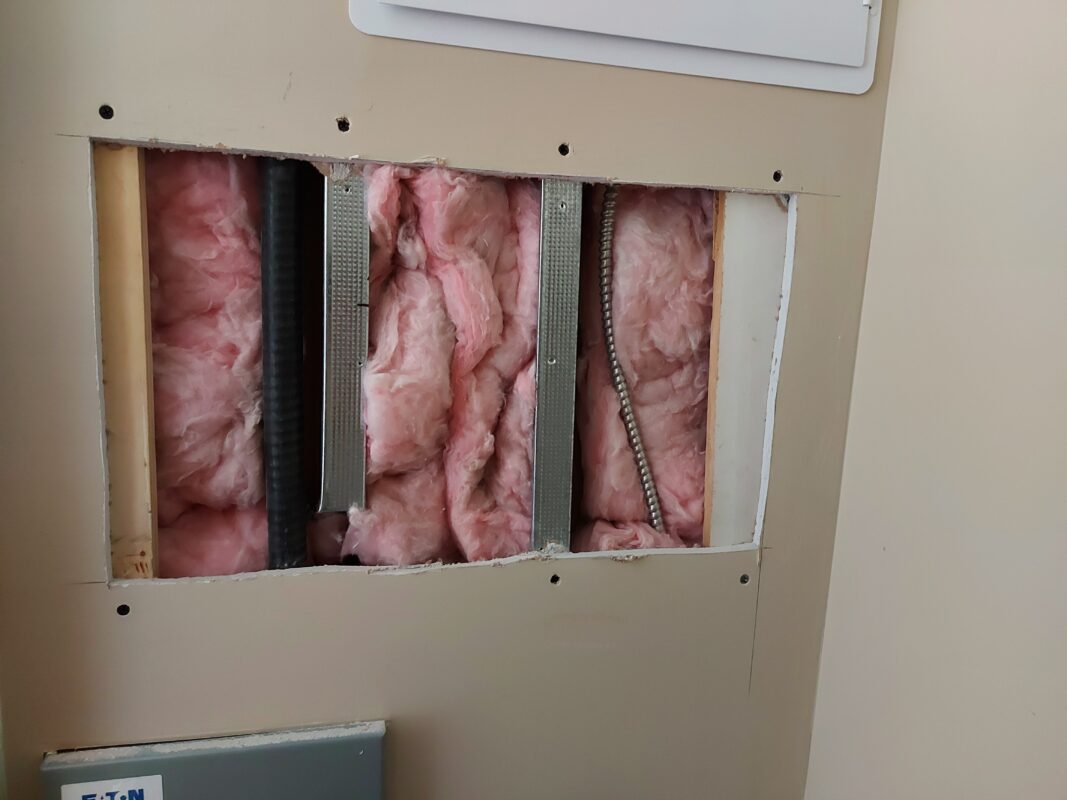
By upgrading or ensuring proper drywall insulation, you can dramatically reduce drafts, maintain stable temperatures, and cut down on energy costs.
Signs Your Property May Need Insulation Upgrades
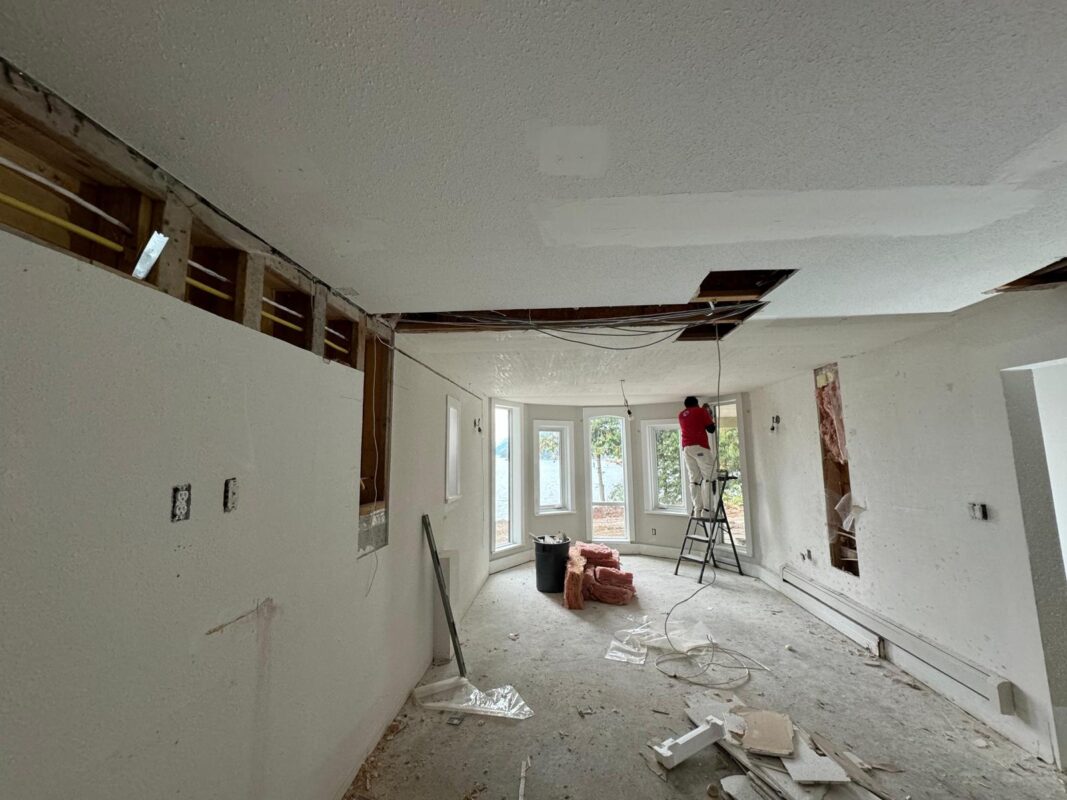
Not all insulation problems are obvious—but catching the early signs can prevent energy waste and discomfort. If you’re noticing any of the following issues in your home or commercial space, it may be time to consider drywall insulation upgrades:
-
Cold Spots or Persistent Drafts
Certain rooms or areas of the building feel significantly colder than others, even with the heat on. Chilly interior walls or floors can be a sign of insufficient or deteriorated insulation behind the drywall. -
Rising Energy Bills
A sudden or gradual increase in heating costs during fall and winter often points to poor insulation performance. When drywall insulation fails, your HVAC system has to work overtime to maintain comfort. -
Unstable Indoor Temperatures
Rooms that quickly lose heat or never quite reach the desired warmth may lack proper thermal resistance behind the drywall. -
Poor Soundproofing
In commercial buildings, this can be especially disruptive. If noise travels easily between rooms or from outdoors, it may be due to missing or outdated drywall insulation.
Identifying these symptoms early allows for proactive upgrades—protecting your comfort, lowering utility bills, and reducing seasonal maintenance issues.
How Drywall Repairs Can Improve Insulation
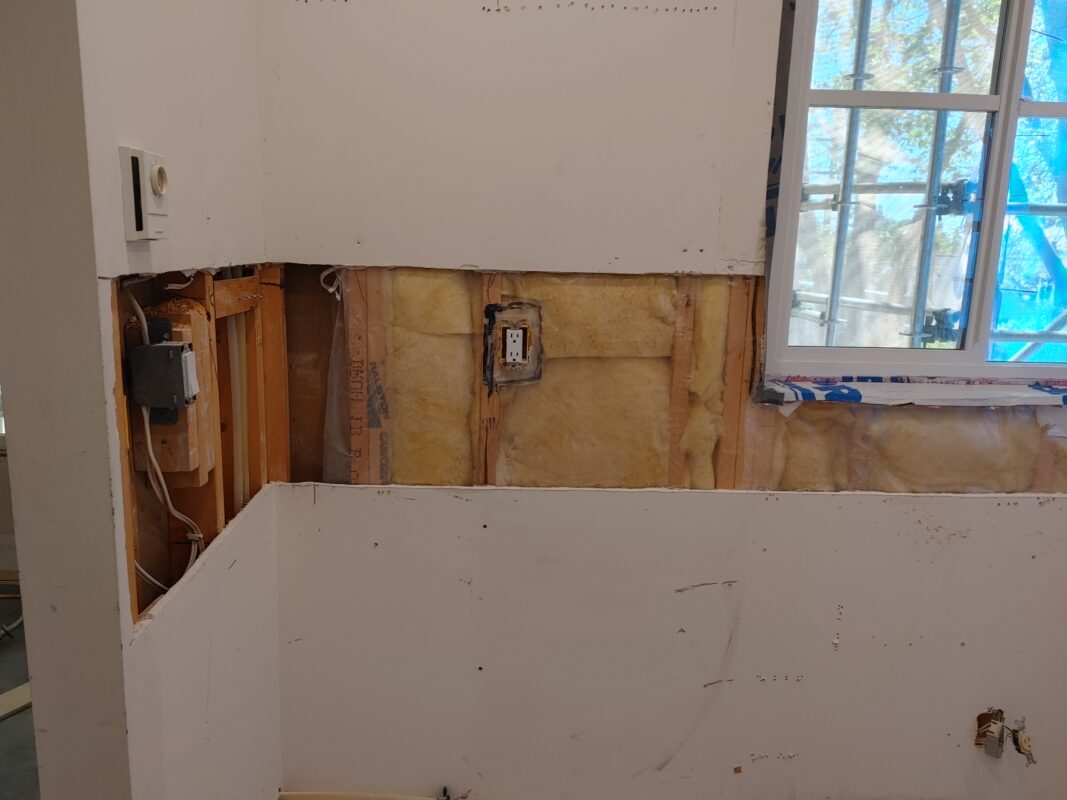
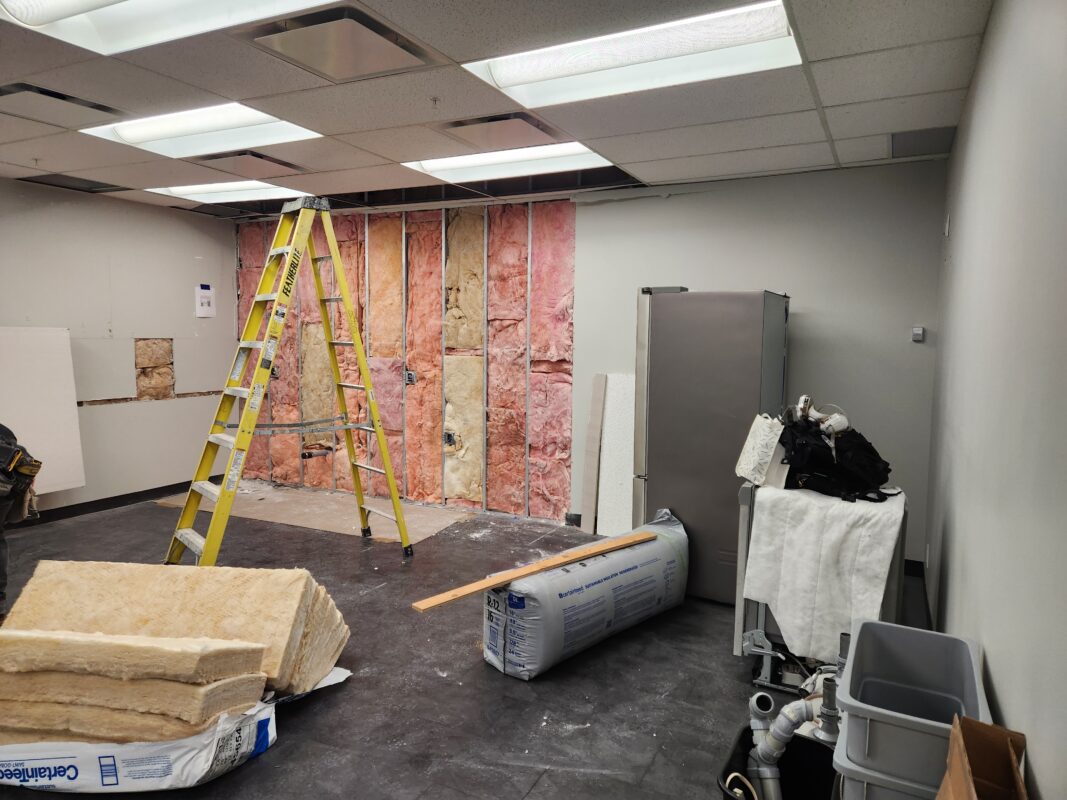
Damaged drywall can create hidden pathways for heat to escape, undermining the effectiveness of your drywall insulation. Cracks, gaps, and deteriorated panels allow cold drafts to enter and warm air to leak out—especially around windows, doors, and electrical outlets.
Before upgrading insulation, it’s important to inspect and repair any drywall issues. Sealing openings and replacing compromised sections helps maximize thermal performance, reduce energy waste, and ensure your insulation investment pays off. In many cases, drywall replacement and insulation upgrades go hand in hand, forming a complete barrier against heat loss.
Benefits of Upgrading Drywall Insulation
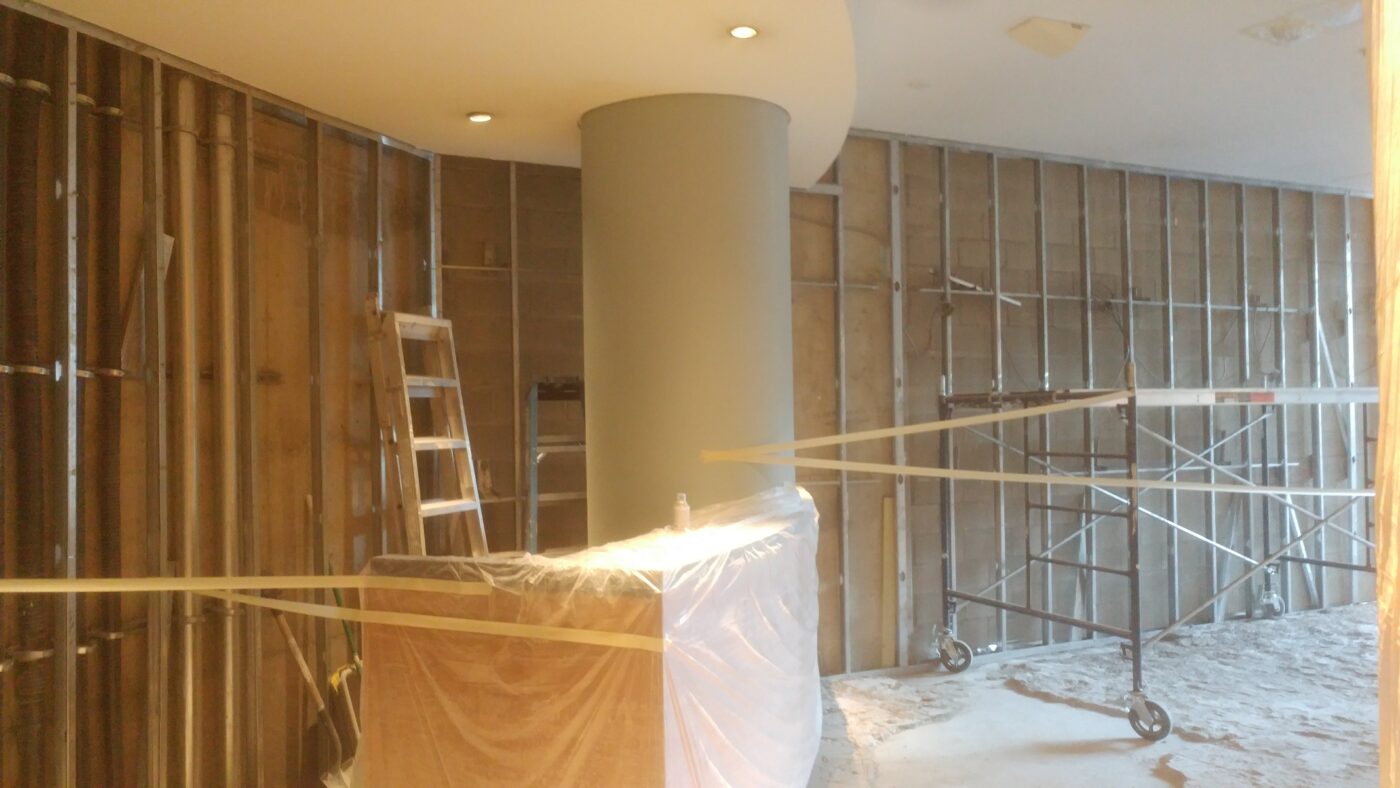
Improving your drywall insulation is one of the smartest ways to increase comfort and efficiency in both homes and commercial buildings. Here’s what you can expect:

-
Lower Energy Bills: Enhanced drywall insulation reduces heat loss, helping your HVAC system work less and saving money over time.
-
Consistent Indoor Warmth: Say goodbye to cold spots and drafty rooms—insulated walls keep temperatures steady and cozy.
-
Better Soundproofing: Quality drywall insulation can significantly reduce noise transfer, ideal for both residential peace and commercial productivity.
-
Moisture & Mould Protection: Sealed and insulated drywall acts as a barrier against condensation, preventing mould growth and protecting indoor air quality.
Ideal Places to Upgrade Insulation
Not every wall in a building has the same insulation needs. To maximize comfort and energy efficiency, here are key areas where upgrading drywall insulation can have the biggest impact:
-
Exterior-Facing Walls: These walls are directly exposed to the elements. Adding or improving drywall insulation here helps maintain indoor temperatures and reduce heat loss.
-
Attics and Crawl Spaces: These are common sources of heat escape. Proper insulation behind drywall in these areas is critical to regulating airflow and preventing cold drafts.
-
Basement Walls: Older homes and buildings often have poorly insulated basements. Upgrading drywall insulation around the perimeter helps prevent moisture buildup and improve overall warmth.
-
Between Floors or Units: In multi-family residences or commercial buildings, drywall insulation between levels can reduce noise transfer and increase energy efficiency, especially in shared spaces.
DIY vs. Professional Installation
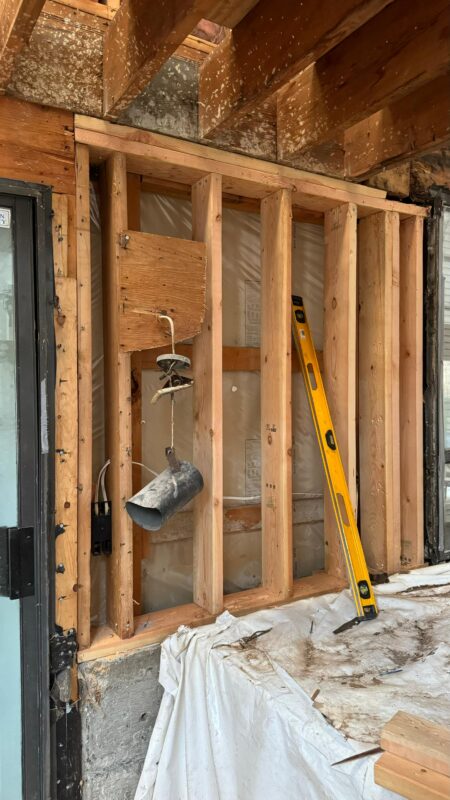
While some minor tasks can be handled in-house, proper drywall insulation often requires professional expertise to ensure long-term results.
What You Can Do Yourself
-
Draft Sealing: Homeowners and business owners can apply weatherstripping or caulk to windows, doors, and small wall gaps to prevent air leaks.
-
Insulation Checks: You can inspect exposed areas in attics or basements to see if insulation is missing, compressed, or damp—early signs of underperformance.
-
Replacing Outlet Gaskets: Foam gaskets behind electrical outlets are a quick and inexpensive DIY upgrade for energy efficiency.
When to Call the Pros
-
Correct Installation Techniques: Professionals understand how to place drywall insulation so it achieves its R-value rating and forms a proper thermal barrier.
-
Seamless Drywall Repair: Installing insulation often involves removing or cutting into drywall. Pros can expertly patch and finish walls so they look and perform like new.
-
Moisture Management: Experts will ensure vapour barriers and air sealing are done right, reducing the risk of mould or insulation degradation.
Risks of Improper Installation
Gaps, voids, or compression in insulation can significantly reduce its effectiveness, creating thermal inefficiencies and potential moisture problems. According to Building Science, common mistakes like gaps, voids, and compressed insulation during installation can lead to heat loss and reduced thermal resistance—severely undermining the performance of insulation systems.
Proper drywall insulation is one of the most effective ways to keep your space cozy and energy-efficient through the fall and winter months. From sealing off drafts to preventing unnecessary heat loss, addressing both drywall condition and insulation quality can have a major impact on your indoor comfort—and your wallet.
Whether you’ve noticed cold spots, rising heating bills, or outdated materials, taking action now can save you from larger issues down the line.
Call a Professional
Don’t wait for the cold to creep in. Contact Argenta Restoration Ltd. for expert drywall repairs and insulation upgrades that keep your space warm, quiet, and energy-efficient all season long.