
Detecting Hidden Water Damage: Key Signs to Watch After the Rainy Season
In the Vancouver area, the rainy season can leave more behind than just puddles—it can quietly cause damage inside your walls, ceilings, and trim without you even realizing it. While surface-level leaks are easy to spot, detecting hidden water damage is a lot trickier—and far more common than many homeowners think.
Moisture intrusion after heavy rain can seep into drywall, insulation, and framing, compromising your home’s structural integrity and indoor air quality. By the time visible signs appear, the damage is often already widespread. That’s why in this post, we’ll walk you through exactly what to look for and where—so you can catch the subtle warning signs early and take action before minor water issues become major repairs.
Why Water Damage Often Goes Undetected
When it comes to detecting hidden water damage, one of the biggest challenges is that the damage often begins behind the scenes. A minor roof leak, a small gap in flashing, or water infiltration around a window might not seem urgent—but over time, these small issues can allow moisture to seep into your walls, ceilings, and insulation.
Unlike visible stains or puddles, hidden water damage can silently deteriorate drywall, weaken framing, and promote mould growth without obvious signs at first. Insulation and layers of paint or caulking can temporarily mask the moisture, making it even harder for homeowners to catch early.
This problem is especially common after long stretches of heavy rain, which is why post-season inspections are critical. When your home has endured weeks of damp weather, knowing how and where to look becomes key to preventing costly structural or cosmetic repairs.
Common Areas Prone to Hidden Water Damage
When it comes to detecting hidden water damage, knowing where to look is half the battle. Moisture often infiltrates the home in subtle ways, showing signs only after significant damage has occurred. Here are the most common areas to inspect:
Ceilings
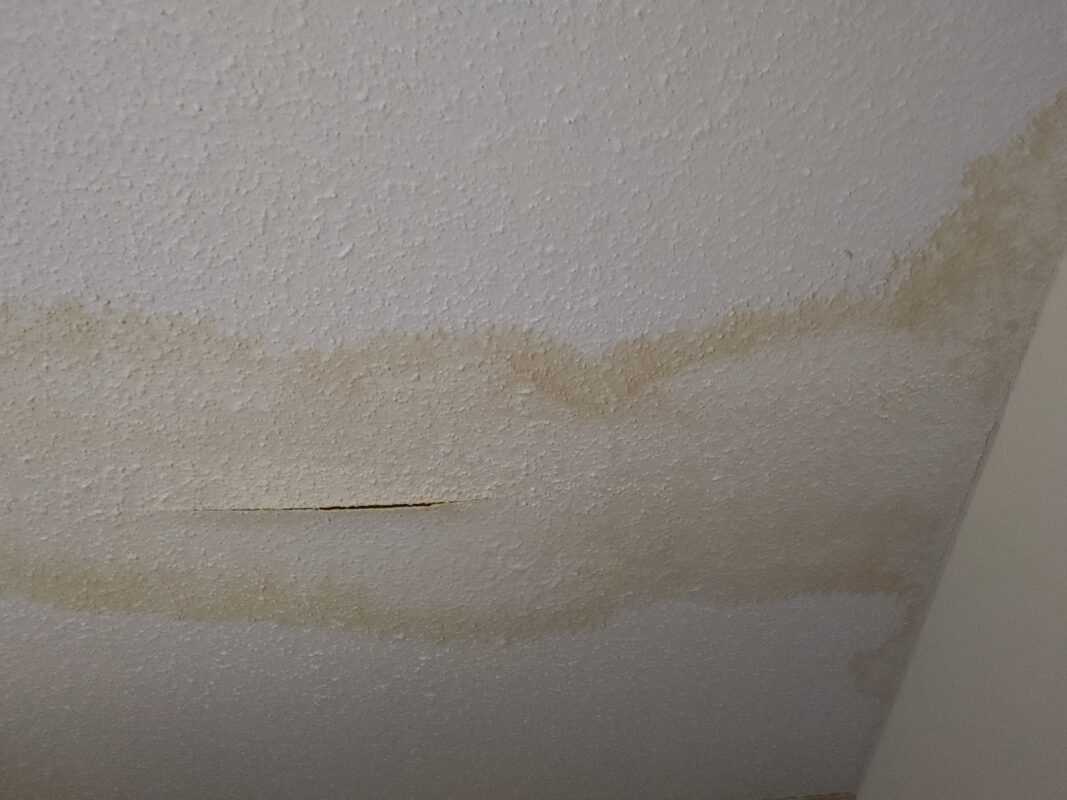
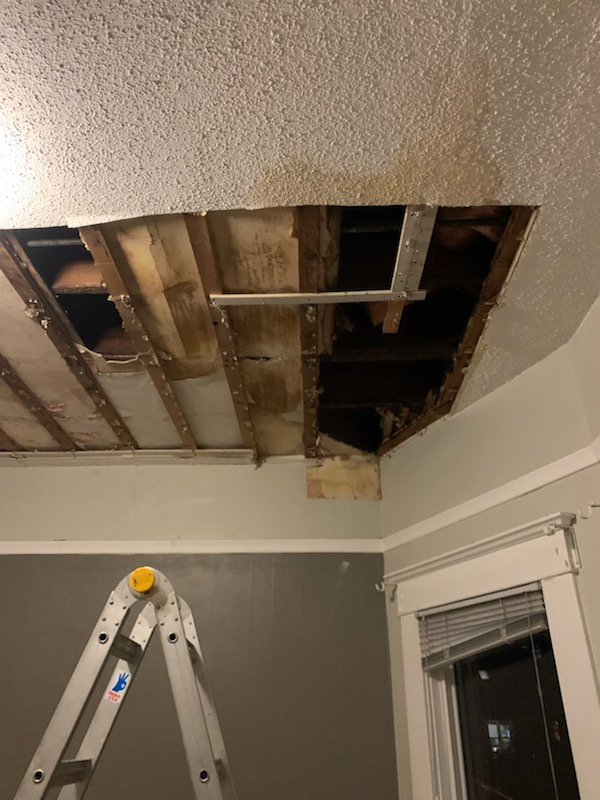
Look for stains, yellowing, bubbling paint, or any areas that appear saggy or uneven. These symptoms are classic indicators that moisture has pooled above the surface—often from roof leaks or plumbing issues.
Walls
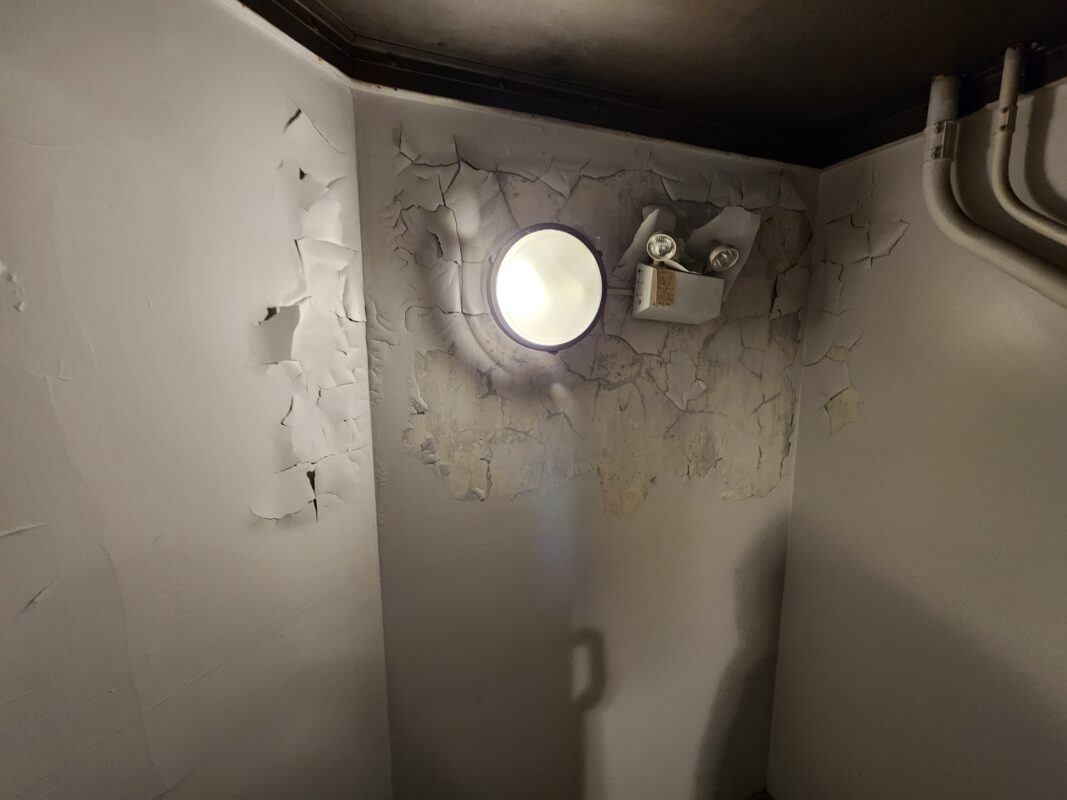
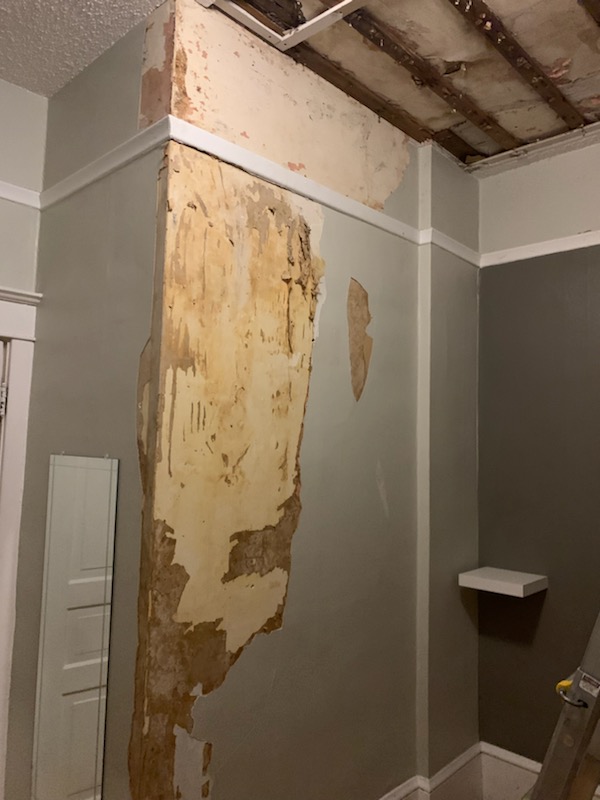
Water-damaged walls may show discolouration, blistering, or warping. If a wall feels soft to the touch or sounds hollow when tapped, moisture could be trapped behind the drywall. These signs are critical when detecting hidden water damage, especially after seasonal storms.
Baseboards and Trims
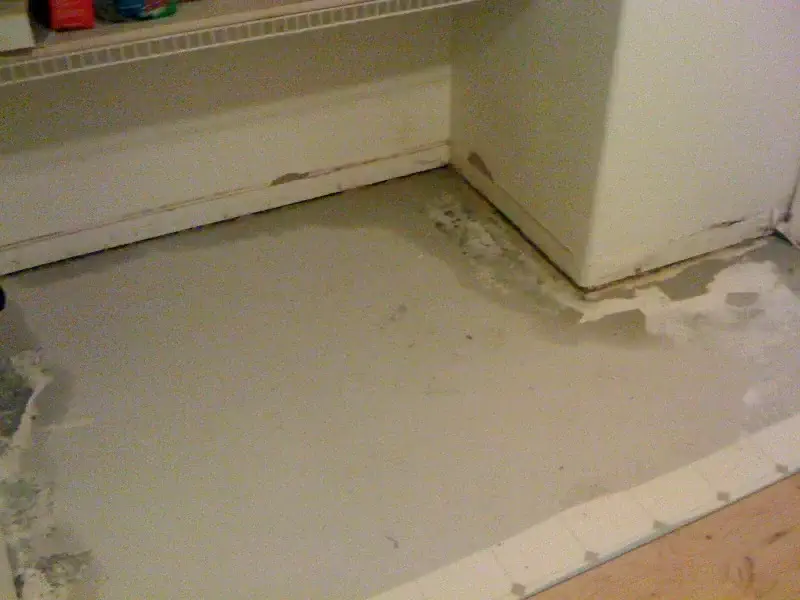
Swelling, separation at the seams, or peeling paint around baseboards and trims often signals moisture buildup. These elements are especially vulnerable where flooring meets exterior walls or near bathrooms and kitchens.
Windows and Doors
Water intrusion around windows and doors is common in rainy climates. Check for soft wood, stains, or moisture between the panes. Repeated exposure can compromise framing and insulation over time.

Subtle Signs to Watch For
Sometimes, the most damaging moisture issues aren’t immediately visible. That’s why detecting hidden water damage requires more than a visual check—you need to pay attention to environmental changes and other subtle clues.

Musty Odours or Unexplained Humidity
If certain rooms in your home consistently smell damp or musty, it could point to moisture trapped behind walls or under floors. Detecting hidden water damage in these cases involves recognizing these persistent odours as potential signs of a deeper problem—often caused by slow leaks or poor ventilation.
Sudden Increases in Heating Bills
When insulation is compromised by moisture, it loses effectiveness—forcing your heating system to work overtime. If your energy costs have jumped unexpectedly, it’s worth considering whether moisture behind your drywall or ceiling is to blame. Detecting hidden water damage early can save you from higher utility bills and more costly repairs down the line.
Persistent Condensation or Localized Mould
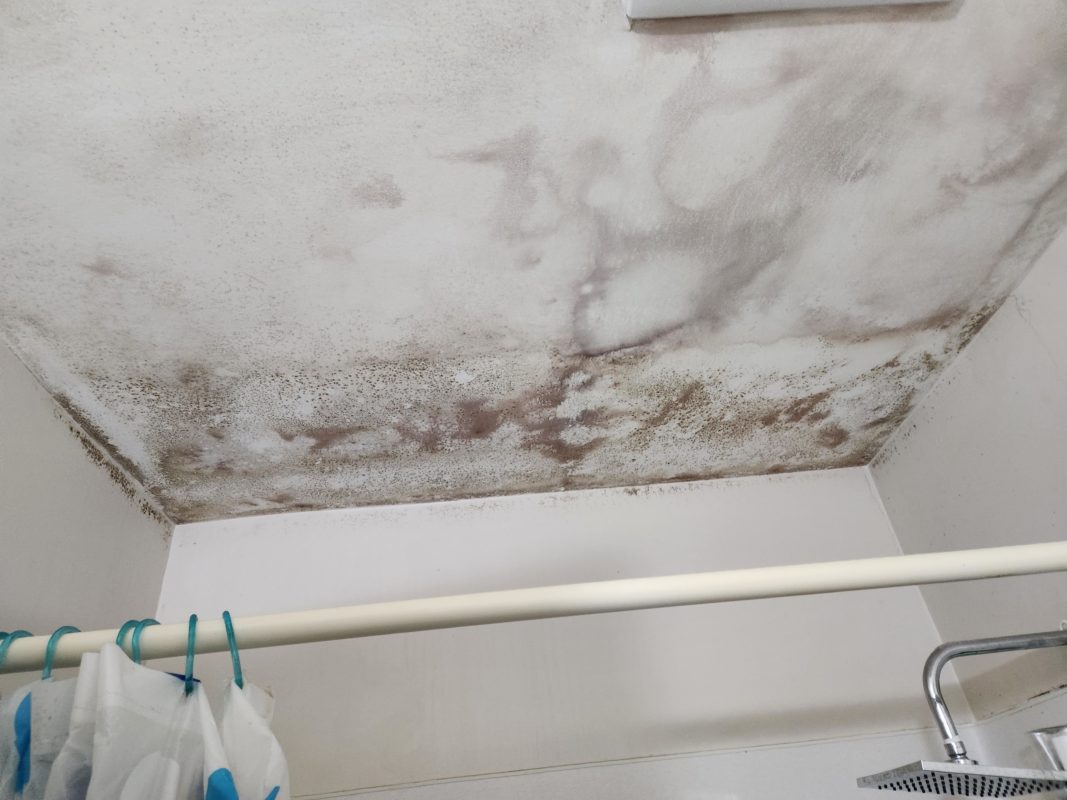
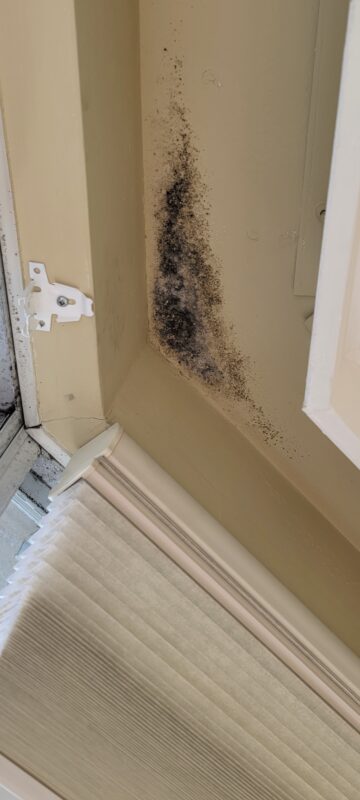
Recurring condensation, particularly in isolated areas, is another red flag. Mould patches on ceilings, baseboards, or corners may signal that water is being absorbed by drywall or framing. Since mould thrives where there’s prolonged moisture, these spots are often indicators of a larger issue—making detecting hidden water damage crucial for maintaining both structural integrity and air quality.
Creaking or Warped Flooring
Recurring condensation, particularly in isolated areas, is another red flag. Mould patches on ceilings, baseboards, or corners may signal that water is being absorbed by drywall or framing. Since mould thrives where there’s prolonged moisture, these spots are often indicators of a larger issue—making detecting hidden water damage crucial for maintaining both structural integrity and air quality.
Why Detecting Hidden Water Damage Early Matters
When it comes to protecting your home, detecting hidden water damage early is essential. Moisture that sneaks behind walls, ceilings, or floors may seem minor at first—but the longer it’s left unchecked, the more extensive and expensive the consequences become.
Stop Mould Growth and Structural Decay Before It Starts
Moist environments are breeding grounds for mould and mildew. Once they take hold, they can affect indoor air quality, trigger allergies, and spread rapidly through drywall and wood framing. Early detection allows you to stop this damage at the source, before it affects your health and home structure.
According to the Environmental Protection Agency (EPA), mould can begin growing within 24 to 48 hours in moist conditions and may pose health risks if not addressed promptly.
Protect Drywall, Insulation, and Trim
By detecting hidden water damage promptly, you can prevent moisture from ruining your drywall, insulation, or baseboards. Water-damaged drywall can crumble or discolour, insulation can lose its R-value, and wood trim can swell, split, or rot—leading to costly interior repairs.
Save on Long-Term Repair Costs
Minor water issues can turn into major renovations if ignored. Early action means simpler fixes like patching drywall or re-caulking trim, rather than tearing out large sections of wall or dealing with extensive mould remediation. Proactive maintenance is always more affordable than reactive repair.
Reveal Larger Issues in Your Building Envelope
One of the most overlooked benefits of detecting hidden water damage is that it can reveal broader problems—like failed roof flashing, clogged gutters, or improper drainage around your foundation. These problems often go unnoticed until interior damage appears, so finding them early allows you to solve the root cause, not just the symptoms.
When to Call a Professional
Even with the best DIY efforts, there are times when detecting hidden water damage requires expert help. If you’re noticing issues that persist beyond a single rainy week or seem to be spreading, it’s time to bring in the pros.
Recurring Stains or Moisture After Storms
If ceiling or wall stains keep coming back—even after you clean or repaint—it’s likely that water intrusion is ongoing. This could signal problems like roof leaks, cracked flashing, or gaps around windows that require more than just surface fixes.
Widespread or Structural Damage
When water damage spans across multiple rooms or affects important structural areas (like load-bearing walls or subfloors), a professional assessment ensures nothing is missed. Over time, compromised framing or sheathing can pose serious safety concerns.
Need for Moisture Testing
Specialized tools like moisture meters and thermal cameras can detect moisture inside wall or ceiling cavities without needing to tear anything down. Professionals use this equipment to find the source of damage and assess the full extent before recommending repairs.
Get Expert Help with Repairs
At Argenta Restoration Ltd., we specialize in drywall restoration, trim replacement, and rot repair—helping you recover from water damage efficiently and safely. Whether it’s hidden leaks behind the walls or decaying wood around windows, our trained team knows what to look for and how to restore your space the right way.
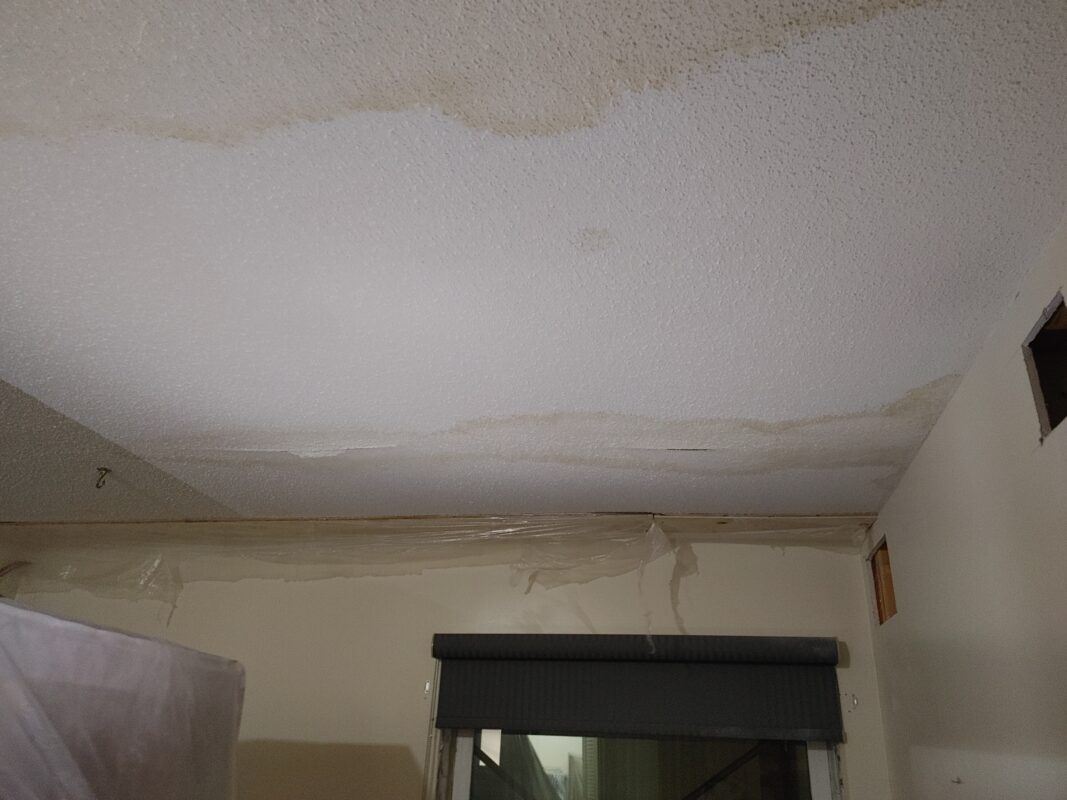
After an extended rainy season, detecting hidden water damage should be a top priority for homeowners. Moisture issues may not always be visible right away, but the damage they cause—mould growth, weakened drywall, rotted framing—can escalate quickly if ignored.
Regularly inspecting vulnerable areas like ceilings, baseboards, and around windows helps catch early signs before they develop into costly repairs. Pay attention to subtle changes like musty odours, warped surfaces, or unexplained humidity—your home may be trying to tell you something.
If you’re unsure where to start, remember that detecting hidden water damage early not only protects your home’s structure but also your family’s health and comfort.

Call a Professional
Don’t wait until the damage is visible. Contact Argenta Restoration Ltd. today for a professional assessment and expert water damage repairs. Our team is ready to help you restore comfort and safety to your home before minor issues become major problems.