
Interior Paint Failure Explained: Why Your Walls Peel, Crack, or Bubble and How to Stop It
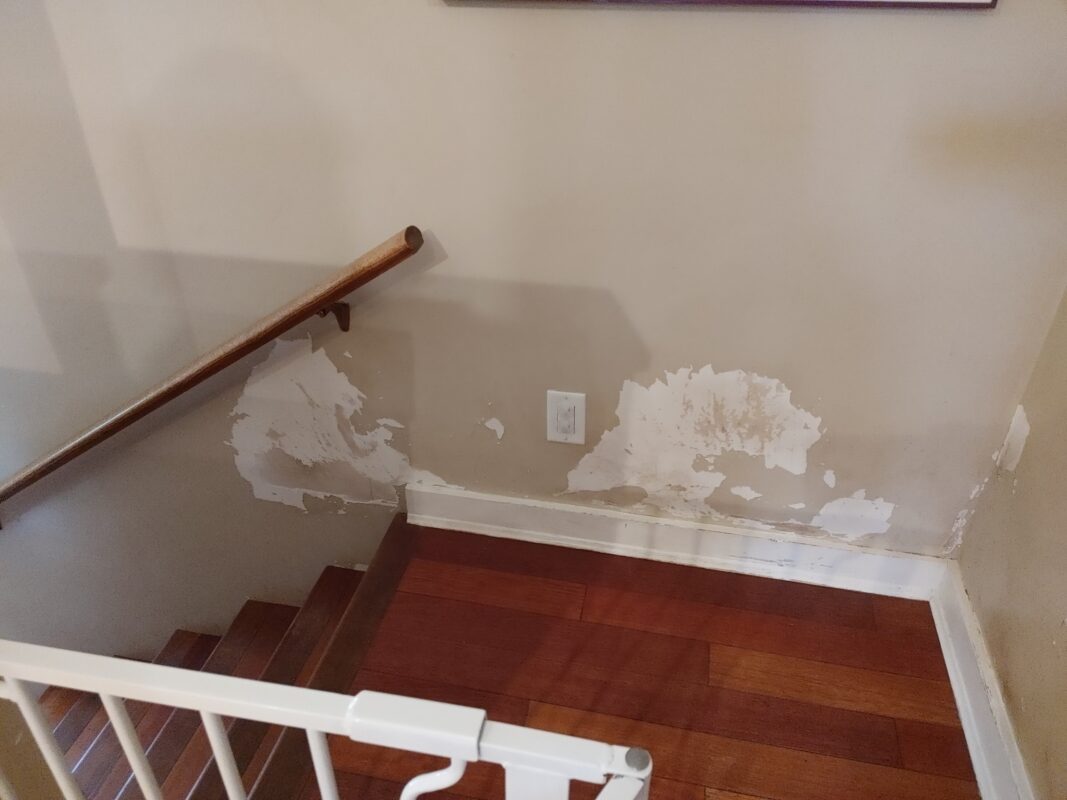
Noticing paint peeling, cracking, or bubbling on your walls can be frustrating—especially when it happens inside your home where conditions seem controlled. But interior paint failure is more common than you might think, and it often signals deeper issues related to moisture, temperature, or surface preparation.
Seasonal changes, especially in fall and winter, can create ideal conditions for paint problems to appear. Fluctuating humidity levels, cold drafts, and inadequate sealing can all disrupt your paint’s adhesion, leading to unsightly damage. The good news? Understanding the root causes of interior paint failure can help you prevent it—and save you the time and cost of a full repaint.
In this blog, we’ll break down the science behind why paint fails indoors, the key factors that contribute to it, and how proper drywall and caulking prep can make all the difference.
Common Types of Interior Paint Failure
Understanding the types of interior paint failure is key to spotting issues before they spread. Here are the most frequent ones homeowners encounter:
Peeling Paint
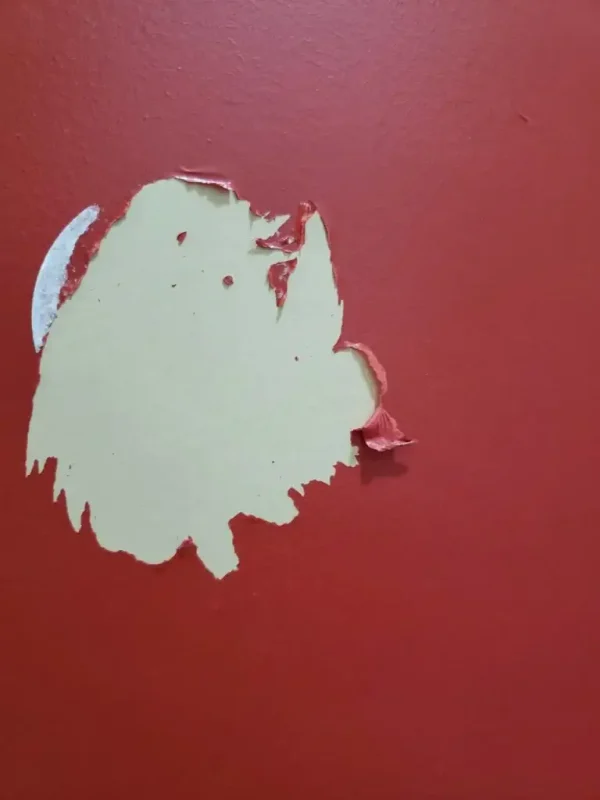
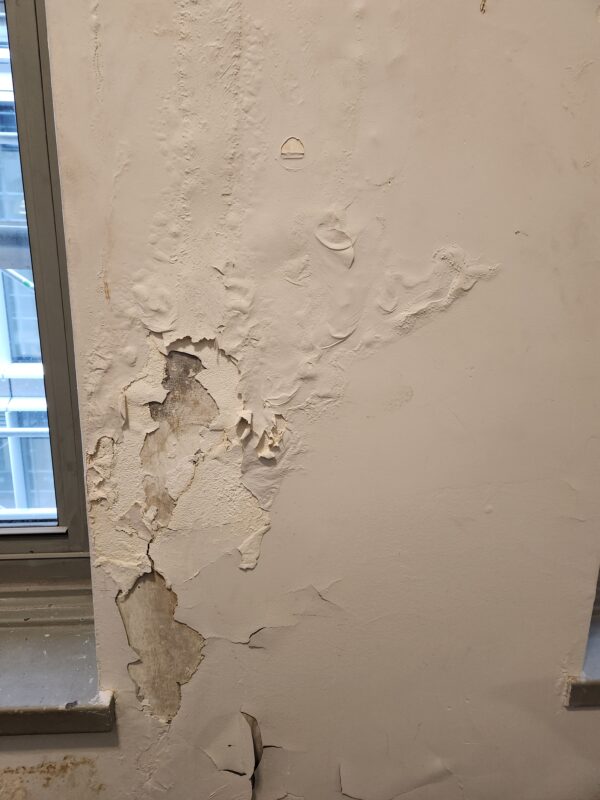
Peeling usually starts when paint loses adhesion to the surface beneath it. This can happen due to high humidity, poor surface prep, or painting over dirty or glossy walls. Once the bond breaks, flakes start to fall off—leaving your walls exposed and unattractive.
Cracking or Flaking
Cracks may begin as fine lines (hairline cracks) but can quickly evolve into larger flakes. This type of paint failure is often due to aging paint, excessive layers applied over time, or using incompatible products. It compromises both appearance and protection.
Bubbling or Blistering
Blisters form when moisture or air gets trapped beneath the paint layer, often from painting in humid conditions or over damp drywall. These raised areas can pop, peel, and spread if left untreated, especially in poorly ventilated spaces.
What Causes Interior Paint to Fail?
Identifying the root causes of interior paint failure is the first step to preventing it. Many of the most common issues stem from environmental factors or improper prep work. Here’s what to watch for:
Moisture Problems
Humidity, roof leaks, or even steam from poorly ventilated bathrooms can wreak havoc on painted surfaces. Moisture weakens adhesion and causes bubbling, peeling, and mould growth—especially if surfaces weren’t properly sealed beforehand.
Poor Surface Preparation
Paint won’t stick to dusty, dirty, or glossy walls. Skipping essential steps like cleaning, sanding, or dulling shiny finishes is a fast track to cracking and flaking paint.
Improper Priming or Caulking
Primer is crucial for sealing surfaces and improving paint adhesion. Likewise, poorly done or missing caulking can leave gaps that trap moisture. Both can lead to interior paint failure sooner than expected.
Incompatible Products
Using oil-based paint over latex, or layering products that don’t adhere well to one another, creates a weak bond that results in visible damage. It’s important to use the right type of paint for the surface and the job.
Temperature Fluctuations
Extreme changes in indoor temperature—like rooms that get too hot or too cold—can cause paint to expand and contract, resulting in fine cracks or bubbling. This is especially problematic in basements or sunrooms where insulation might be lacking.
How Drywall and Caulking Play a Role
The condition of your drywall and the quality of caulking around joints and fixtures are two of the most overlooked contributors to interior paint failure. Even high-quality paint will fail if it’s applied over poorly prepared surfaces.
Proper Prep Is Essential
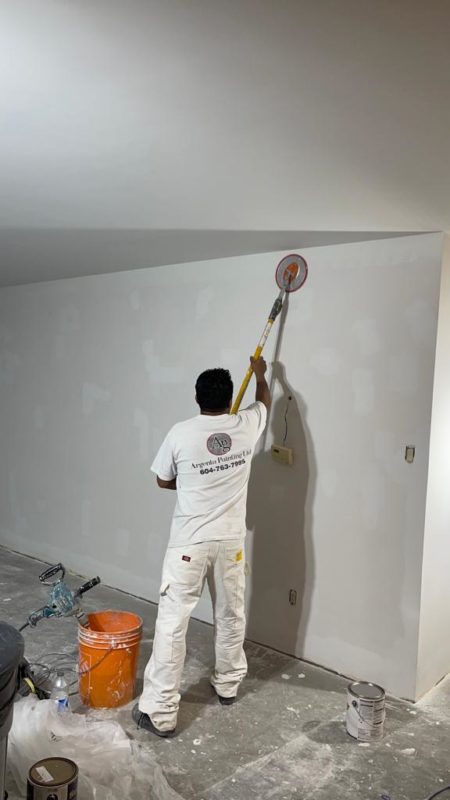
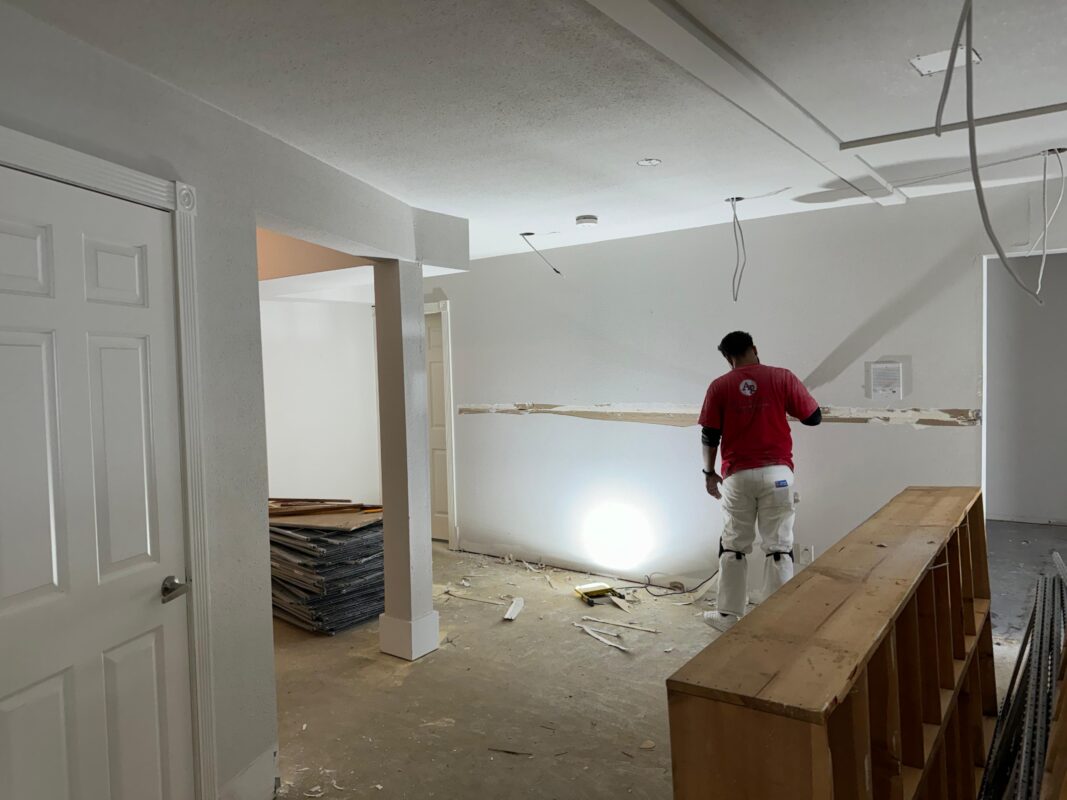
Prepping drywall and sealing joints correctly is the foundation for a lasting paint job. This means:
-
Repairing damaged drywall before applying primer or paint
-
Sanding patches smooth to ensure an even finish
-
Using high-quality caulk and ensuring all seams are sealed
By addressing these hidden issues before painting, you prevent future problems—and help ensure your walls stay smooth and vibrant year-round.
Damaged Drywall Allows Moisture In
Hairline cracks, dents, or unpatched holes in drywall may seem minor, but they can become entry points for moisture—especially in high-humidity areas like kitchens, bathrooms, or basements. Once moisture gets in, it disrupts the bond between the drywall and the paint, leading to bubbling, peeling, and sometimes even mould growth beneath the surface.
Old or Cracked Caulking Traps Moisture
Caulking around windows, doors, baseboards, and trim plays a crucial role in keeping moisture and air out. When caulking ages, it becomes brittle or starts to pull away from surfaces. These gaps allow humidity and condensation to seep behind paint layers, which accelerates interior paint failure around edges and joints.

How to Prevent Interior Paint Failure
Preventing interior paint failure isn’t just about choosing a good colour—it’s about preparation, product choice, and proper application. Whether you’re painting one room or refreshing an entire home, following these best practices can help you avoid issues like peeling, cracking, or bubbling.
Apply Caulking Correctly and Let It Cure
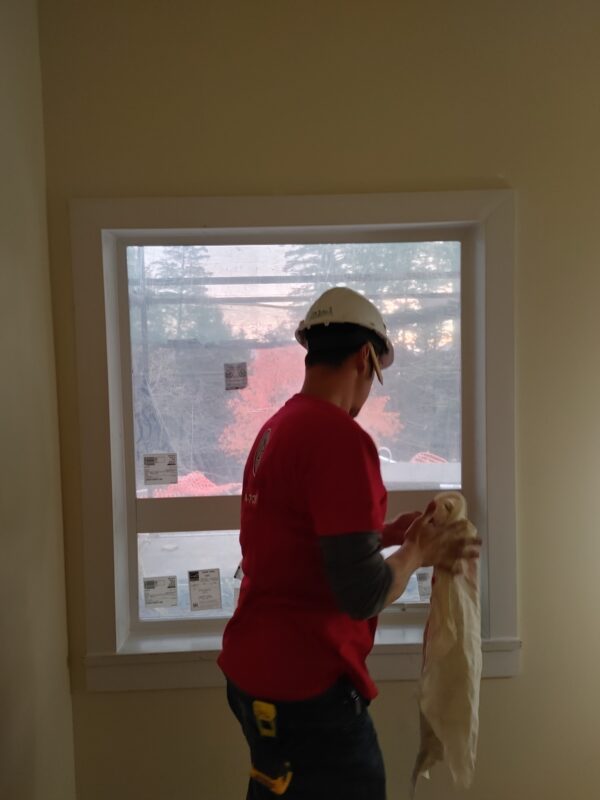
Caulk gaps around trim, windows, and baseboards to keep out moisture. But don’t rush—uncured caulk can lead to cracking or peeling if painted too soon. Check product labels for cure times before applying paint.
Follow Manufacturer Guidelines on Temperature and Humidity
Paints cure best within specific temperature and humidity windows. For example, Benjamin Moore recommends applying their products when ambient and surface temperatures are between 35 °F and 100 °F, and humidity is as low as possible to minimize adhesion issues and failure.
Use High-Quality Primers and Paints
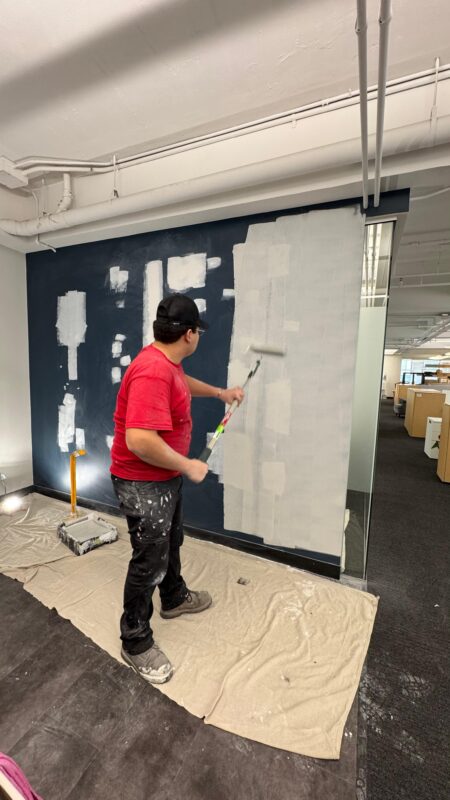
Invest in professional-grade products. A quality primer ensures proper adhesion and stain blocking, while high-end paints offer better coverage and durability. Low-quality products often lead to early failure—especially in high-humidity or high-traffic areas.
Proper Surface Preparation Is Key
Dust, oils, or gloss can prevent paint from bonding. Always clean, sand, and repair drywall before painting. A properly prepped surface minimizes the risk of interior paint failure and ensures longer-lasting results.
When It’s Time to Call a Pro
While minor peeling or cracking can sometimes be handled with a bit of sanding and repainting, widespread interior paint failure is often a sign of deeper issues. If you’re noticing large sections of flaking paint, consistent blistering near windows or ceilings, or recurring damage even after repainting, it’s time to call in professionals.
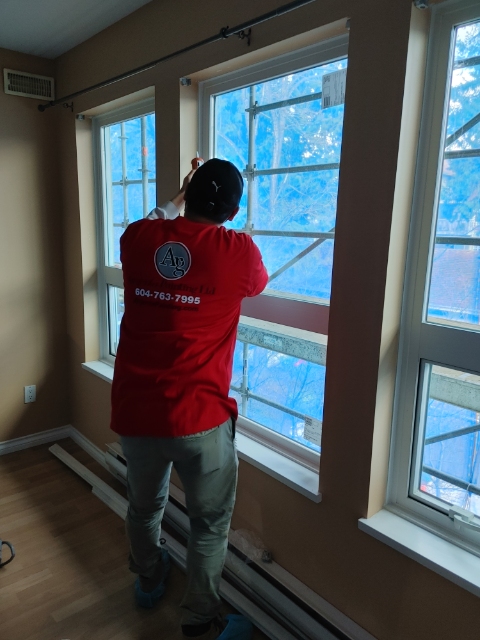
Severe interior paint failure is often caused by underlying problems—like poor ventilation, moisture trapped behind drywall, or structural shifts. These issues require more than just a fresh coat of paint; they need expert inspection, proper prep, and sometimes drywall repairs or sealing.
Argenta Restoration Ltd. specializes in drywall repairs, moisture prevention, surface prep, and professional interior painting to ensure long-lasting, flawless finishes. If your walls are telling a story of damage, we’ll help you rewrite it—beautifully and professionally.
Understanding the causes behind interior paint failure—whether it’s peeling, cracking, or bubbling—can save you from costly rework down the road. From moisture intrusion and poor surface prep to incompatible products or unsealed drywall, many of these issues are preventable with the right approach.
As we head into colder months, now is the perfect time to inspect your walls and ceilings. Check for early signs of trouble in high-moisture areas or where previous paint jobs didn’t hold up. Addressing them early means fewer headaches later—and a fresher, more comfortable home.
Call a Professional
Need help diagnosing or repairing paint issues? Contact Argenta Restoration Ltd. for expert drywall prep, caulking, and professional painting solutions that are made to last. Let us help you get it done right the first time!