Drywall Damage in Commercial Properties: The Hidden Costs of Delayed Repairs
Drywall is a crucial element in any commercial building—it shapes the interior layout, supports visual appeal, and contributes to safety and comfort. But while it may seem like a simple surface, neglecting even minor drywall damage can have major consequences over time.
In busy commercial spaces, it’s easy to overlook small cracks, dents, or stains. However, these seemingly minor issues often signal deeper problems like water intrusion, structural movement, or mould growth. Left unaddressed, they can lead to costly repairs, safety hazards, and disruptions to business operations.
This blog explores the real costs—both financial and operational—of ignoring drywall damage in commercial properties. From early warning signs to long-term impacts, we’ll highlight why proactive maintenance isn’t just smart—it’s essential.
What Causes Drywall Damage in Commercial Properties
Drywall damage in commercial properties is more common than you might think—and it’s rarely due to just one cause. Multiple factors can gradually or suddenly compromise wall integrity:
-
High-Traffic Wear and Tear
Offices, retail spaces, schools, and healthcare facilities see constant foot traffic. Over time, repeated contact from people, carts, and cleaning equipment can lead to scuffs, dents, or surface erosion—especially in corridors and entryways. -
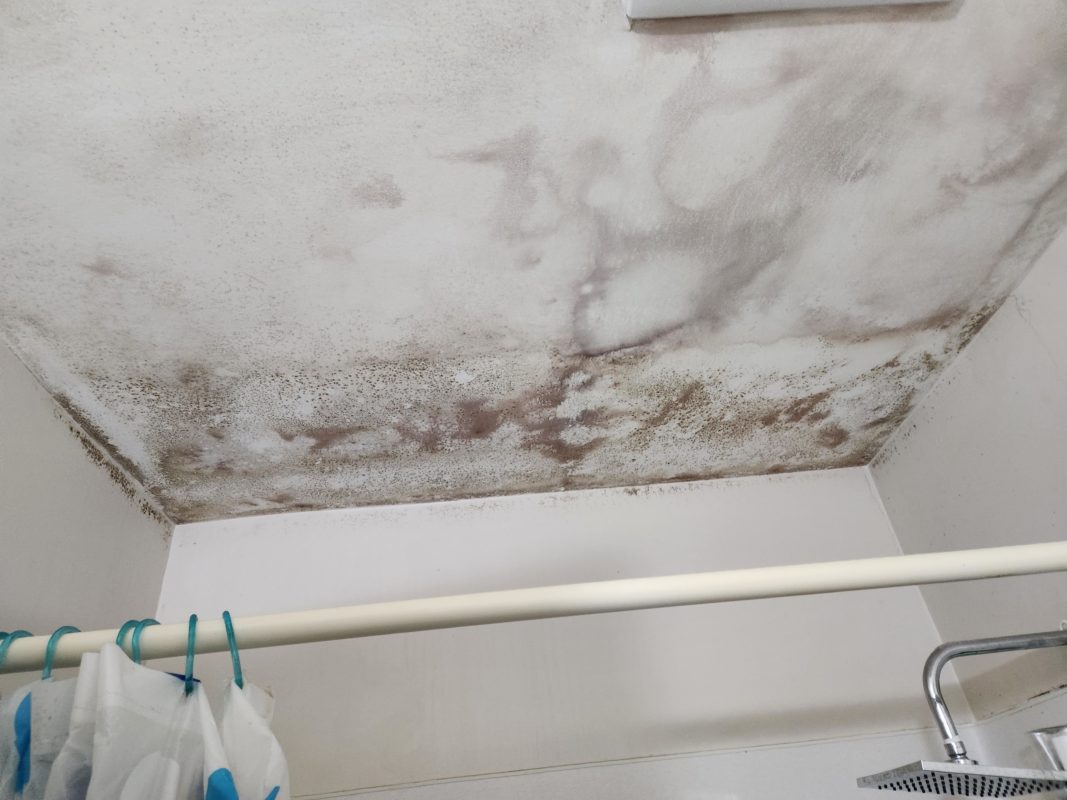
Water Leaks
One of the most damaging culprits. Leaks from plumbing, HVAC systems, or roofing can soak drywall from the inside out, leading to sagging, bubbling, or even hidden mould growth if not addressed promptly.
-
Improper Installation or Low-Quality Materials
If drywall was poorly installed or cheap materials were used, issues like cracking seams, nail pops, and uneven surfaces tend to show up sooner—especially as the building settles or expands due to weather. -
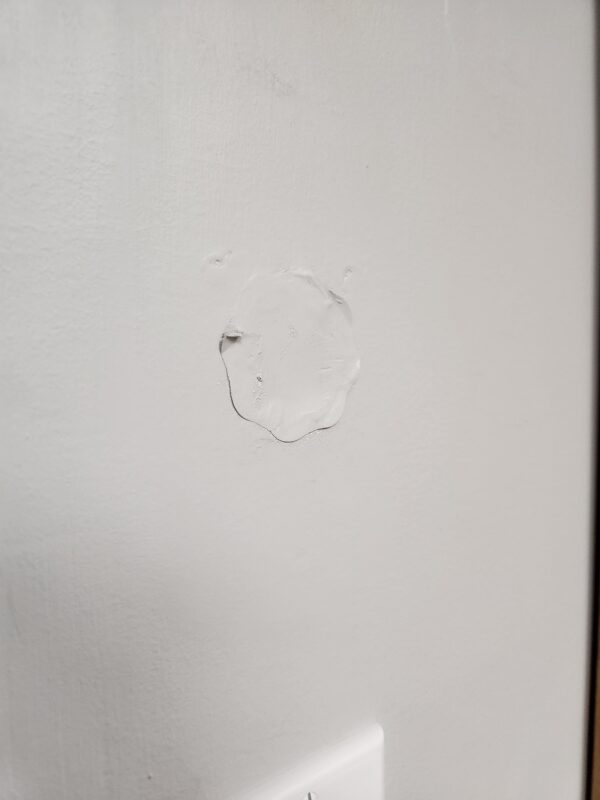
Accidental Impact
Furniture moves, ladder bumps, or equipment handling in commercial environments can punch holes or gouge the drywall. These impacts often go unrepaired, making the damage worse over time.
The Financial Cost of Delaying Repairs
Postponing drywall repairs might seem like a cost-saving measure, but it often leads to more extensive—and expensive—problems over time.
-
Small Issues Become Bigger Problems
Minor cracks, dents, or water stains can quickly escalate into larger issues that require full panel replacements or structural attention. What could’ve been a simple patch job may turn into a major restoration project. -
Moisture and Mould Add to the Bill
If left unchecked, water leaks can lead to mould growth and hidden structural deterioration. In commercial buildings, this doesn’t just mean higher repair bills—it can also pose health risks and liability concerns. -
Interruptions to Business Operations
When drywall damage reaches a point where large areas need to be shut down for repairs, it can disrupt daily operations. For businesses, that downtime can result in lost productivity and revenue.

Safety and Liability Risks
Neglecting drywall damage in commercial properties doesn’t just affect appearance—it can create serious safety and legal concerns.

-
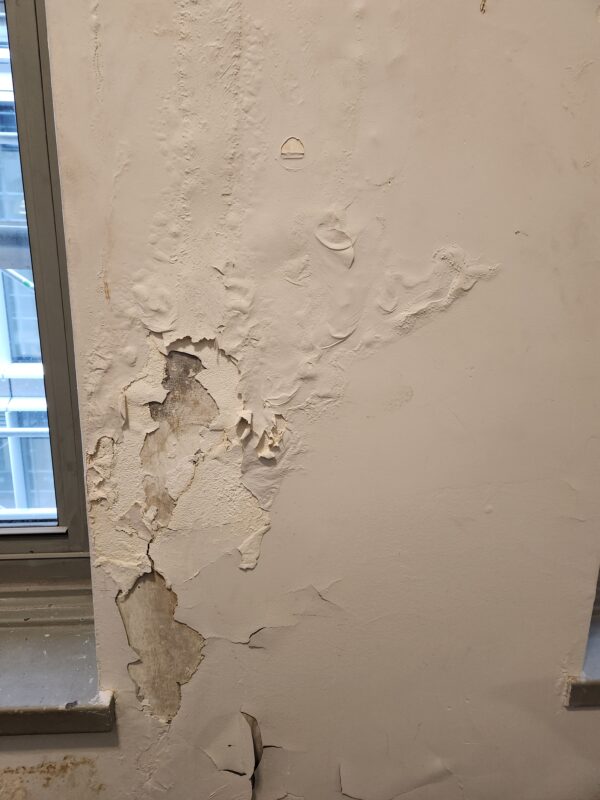
Physical Hazards
Crumbling drywall, exposed studs, or loose panels can become falling hazards in busy commercial environments. Damaged walls may also weaken surrounding structures, increasing the risk of injury. -
Health Concerns from Mould
Moisture-damaged drywall often leads to hidden mould growth, which can cause respiratory issues, allergic reactions, and other health problems—particularly in environments with high foot traffic like offices, schools, or clinics. -
Legal and Insurance Issues
Failing to address drywall damage in commercial buildings may lead to non-compliance with building codes or occupational safety regulations. In the event of an accident, property owners could face liability claims or insurance complications.
Impact on Business Image and Operations
Drywall damage in commercial properties can have a noticeable impact on how your business is perceived—both by customers and tenants.
-
Poor First Impressions
Cracked, stained, or poorly maintained walls suggest neglect and unprofessionalism. As stated by the International Facility Management Association (IFMA), “The condition of a facility can significantly affect customer impressions and employee morale.” (IFMA) -
Reputation and Retention
In retail and tenant-occupied spaces, ongoing drywall issues may lead to dissatisfaction, complaints, or even early lease terminations. -
Operational Consequences
Ignoring drywall damage in commercial properties can disrupt operations, cause workflow inefficiencies, and create negative online reviews, all of which ultimately affect your bottom line.

When to Act: Signs You Shouldn’t Ignore
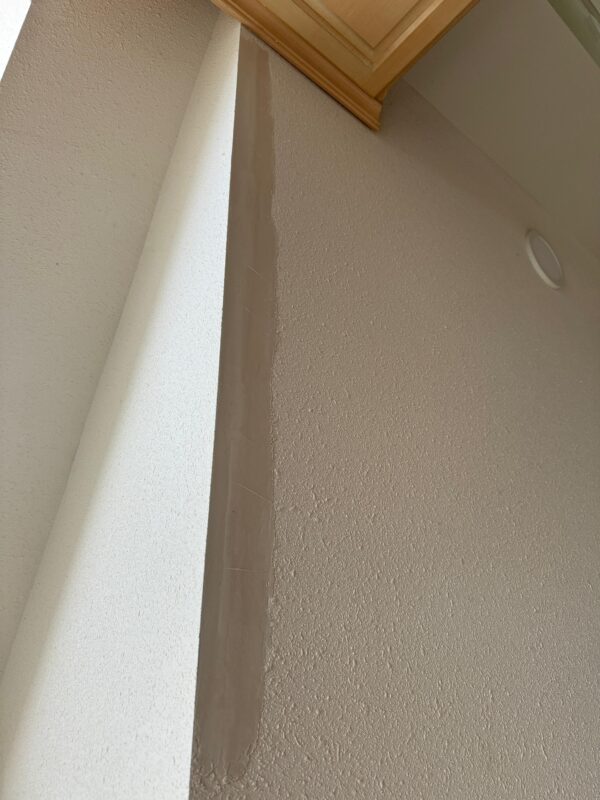
Delaying repairs can lead to costly consequences, so it’s important to know when to take action. Watch for these common red flags:
-
Visible Cracks, Holes, or Bubbling Paint
These may seem cosmetic at first but can signal deeper issues like moisture buildup or structural stress—common causes of drywall damage in commercial properties. -
Musty Odours or Damp Patches on Walls
These are often early signs of water intrusion, which can lead to mould and further deterioration. -
Unusual Sounds When Tapping the Wall
A hollow or crumbling sound may indicate soft or compromised drywall behind the surface. -
Recurring Stains or Signs of Water Exposure
If stains return even after cleaning, there may be an unresolved leak or ongoing moisture problem.
If you notice any of these signs of drywall damage in commercial properties, it’s time to act. Early intervention prevents more serious and expensive repairs down the line.
The Value of Professional Inspection and Repairs
When it comes to drywall damage in commercial properties, hiring professionals isn’t just about convenience—it’s about protecting your investment. Here’s why it matters:
-
Uncover Hidden Issues
Experts can identify moisture, mould, or structural problems that aren’t always visible on the surface. -
Ensure Long-Term Durability
Professional repairs are done to last, using the right materials and methods that meet commercial building codes. -
Avoid Costly Emergencies
Addressing damage early is far more affordable than waiting until it becomes a large-scale issue requiring emergency repairs or major downtime.

A thorough inspection and timely fix by a qualified team can save businesses time, money, and stress while maintaining a safe, professional environment.
Ignoring drywall damage in commercial properties can lead to far more than just cosmetic issues—it can result in structural problems, health risks, legal liabilities, and costly repairs. What starts as a small crack or water stain can quickly escalate if left unaddressed.
Proactive inspections and timely repairs help maintain the safety, appearance, and value of your building. Don’t wait for the damage to grow.